
Pregnancy and oral health

During your pregnancy, you are more likely to develop gum disease and cavities. In general, you can prevent these with extra attention to caring for your teeth.
More chance of inflamed gums

You probably know the talk that every child costs a tooth. Fortunately, this is not true. Pregnancy does make you more likely to get gum disease (gingivitis) in your mouth. The culprit is plaque. Increased hormone levels can cause your gums to react hypersensitively to plaque. As a result, it bleeds faster, swells and is more sensitive. Moreover, if you pay less attention to dental care and snack more due to pregnancy, for example, the chances of getting cavities increase.
Precautions in pregnancy
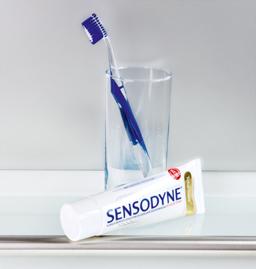
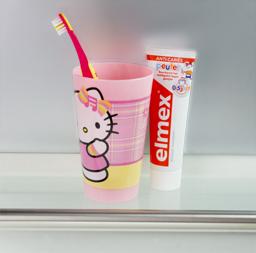
With proper dental care, your teeth don't have to suffer during your pregnancy. Basically, it is a matter of continuing to brush carefully twice a day. Also keep the spaces between the teeth well cleaned with interdental brushes, dental floss or toothpicks. It may be tempting to spare gums that are bleeding (and thus inflamed). Moreover, it is tempting not to brush the back teeth in case of nausea. Keep precisely these areas extra clean. A toothbrush with a small head is more tolerable in case of nausea. Avoid sweets and drinks containing sugar too often. If necessary, pay an extra visit to your dentist or dental hygienist if you have any questions.
Note: excessive or incorrect use of oral hygiene aids can cause damage to teeth and gums
Nausea
Pregnancy is often accompanied by nausea. Some women are so nauseous that they vomit regularly. It is tempting to brush your teeth immediately afterwards to get rid of that foul taste in your mouth. Yet it's better not to do that. Stomach acid attacks tooth enamel. Also, the brush and toothpaste have an abrasive effect. If you brush your teeth immediately after vomiting, you can easily brush away the tooth enamel. Rather, rinse your mouth with water or a mouthwash.
Dental treatments in pregnancy
Before your check-up, tell your dentist or dental hygienist that you are pregnant. For the first three months of pregnancy, he is reluctant to take x-rays just to be sure. Sometimes extensive dental treatments are postponed until after delivery. But you can undergo most dental treatments without risk during pregnancy, even with anaesthesia.
Take good care of children's teeth
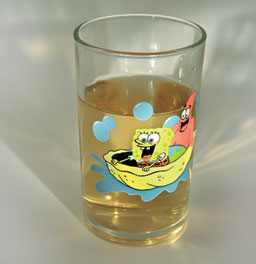 Apple juice is also a snack that is high in acid and sugar.
Once the baby is here, you naturally want to take good care of the child's teeth and oral health. That care starts as soon as the first tooth has erupted. The age at which children get their first teeth varies from child to child. Typically, the first baby tooth breaks through between six and nine months.
Tips for healthy children's teeth:
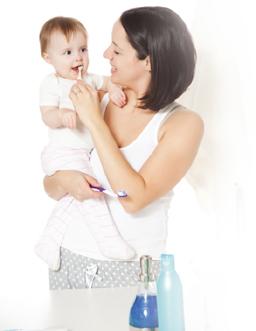
- Once the first tooth has erupted, brush carefully with a special children's toothbrush and use fluoride toddler toothpaste.
- Brush your child's teeth once a day until the age of two. From the second year, start brushing twice a day.
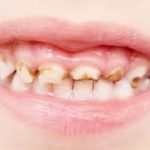
- Switch from a feeding bottle to a sippy cup as early as possible. Most children can learn to drink from a cup as early as nine months. Limit the use of the feeding bottle.Frequently sucking small bits of juice from a feeding bottle can seriously affect the milk teeth.
- Do not give a bottle to bed. Not even with milk. Because milk also naturally contains sugar that can cause tooth decay. A bottle with water is not harmful.
Want to know more?
Then download the free GezondeMond app. The app is available for Android and tablets, available via Google Play. The app for iPhone and iPad can be found in the iTunes App Store..