Temporary, long-term or permanent mouth dryness?
Everyone suffers from dry mouth temporarily, for instance after prolonged speaking or when under stress. But you can also suffer from it for a long time. Or the complaint may be permanent. Long-term or permanent mouth dryness can be bad for your teeth and oral mucosa.
What are the most common symptoms of dry mouth?
You may feel the need to regularly moisten your mouth. This need may occur both during the day and at night. Sometimes it is difficult to swallow dry food (e.g. rusks, crackers or bread) if you do not drink with it. The food seems to stick in your mouth. Furthermore, the lips and tongue may feel tight and sticky. You may also have problems speaking. These include tongue clacking and difficulty pronouncing some words or letters.
What are the causes of dry mouth?
A lack of saliva is the cause of dry mouth. For example, the salivary glands do not release enough saliva. Saliva can also dry out due to evaporation when breathing through the mouth. Insufficient release of saliva can occur due to:
- The use of drugs
Hundreds of drugs have the side effect of inhibiting the salivary glands from releasing saliva. These are mainly drugs used in the treatment of high blood pressure (antihypertensives), or cardiac arrhythmias, or medications such as antidepressants, sleep and urinary medications. The drugs usually do not affect the salivary glands themselves, but only inhibit saliva release. - Diseases
Dry mouth can occur in dehydration due to fever or diarrhoea. A person suffering from diabetes that has not yet been properly adjusted may also complain of thirst and mouth dryness. In these cases, the complaint is temporary. Once the disease is cured or the diabetes is regulated, the dry mouth disappears. Persistent mouth dryness occurs in people suffering from, for example, AIDS or Sjögren's syndrome (chronic inflammation of the tear and salivary glands). In them, symptoms of mouth dryness may vary, but never disappear completely. In Sjögren's syndrome, mouth dryness actually increases with age. - Radiation
When a malignant tumour in the head or neck is radioactively irradiated, the salivary glands can be irreparably damaged by the radiation. This often results in permanent, severe mouth dryness.
Why is saliva so important?
Saliva has a lubricating effect when you speak, chew and swallow. Saliva helps you move your cheeks, tongue and lips more easily. Your saliva moistens food so that you can swallow it painlessly. Saliva also moisturises the oral mucosa, preventing dehydration. In addition, it has a cleansing effect on teeth, molars and the oral mucosa. In addition, saliva inhibits the action and growth of bacteria and fungi in the mouth, preventing mouth infections.
How does dry mouth affect your teeth?
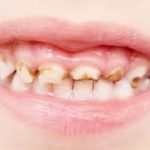
In a healthy mouth, saliva helps protect your teeth. If you do not have enough saliva, plaque forms faster than normal. This causes cavities to form faster in your teeth. This happens especially if you eat sugary foods regularly. In a dry mouth, plaque formation and cavities occur mainly along the edges of the gums. This can also cause the gums to become inflamed. Over time, teeth may become loose. Therefore, without additional protective measures, your teeth can be lost faster.
To combat the effects of mouth dryness, a person may want to suck on acidic sweets. This increases the risk of developing cavities and tooth erosion (wear and tear caused by acid).
How does dry mouth affect someone with dentures?
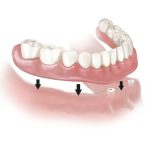
Often, in a dry mouth, dentures do not stay properly in place. In others, a thickened layer of saliva forms between the dentures and the oral mucosa. The dentures then stick to the palate, as it were. This causes the dentures to wiggle and causes painful spots.
How does dry mouth affect the oral mucosa?
Mucous membranes easily become irritated when the protective layer of saliva is missing. These irritations are caused, for example, by dentures, or by eating acidic or spicy foods or drinking alcohol. Sores can then develop on your tongue, cheek, palate or gums. Inflammations, especially fungal infections, can also develop easily.
How to combat the effects of dry mouth?
Choose sugar-free chewing gum
Saliva substitutes
You can combat the effects of dry mouth in several ways, depending on the cause. Consult with your dentist about which treatment is most suitable for you. Mouth dryness can be combated by:
Stimulating saliva release
Your salivary glands may temporarily not work properly or your saliva output may be inhibited by the use of medications. In either case, you can stimulate saliva production. For example, eat foods you need to chew well. Think firm brown sandwiches, carrots or sugar-free chewing gum. You can also boost the release of saliva by eating slightly acidic foods, such as fruit or cucumber. This often does not work, or works insufficiently, in people who have suffered from Sjögren's syndrome for some time or who have had radiation in the head or neck.
Change of medication
Is medicine use the cause of your dry mouth? If so, your GP or specialist may be able to adjust the type of medication, dosage or timing of administration.
The use of saliva substitutes
It is not possible to stimulate saliva production when your salivary glands are no longer functioning. If they still function only slightly, you cannot stimulate them sufficiently. Then you can use so-called saliva substitutes to reduce the effects of dry mouth. These are special liquids in the form of a wetting gel (Biotène Oral Balance) or a spray (Glandosane, Xialine). A humectant gel is applied to the mucous membranes. Using an atomiser, you can moisten the oral cavity with that liquid. The slightly acidic Glandosane is not recommended for frequent use for someone with their own teeth. A gel is particularly liked at night, a spray is particularly pleasant during the day. Which remedy you find most pleasant is something you will have to experience for yourself. A mouth gel can be bought at the chemist's or pharmacy. A saliva substitute can be prescribed by the dentist and is available at pharmacies. Always consult your dentist and do not start a remedy on your own initiative, even if it is available at the chemist's or pharmacy.
I have dry mouth. Is extra oral care needed?
It is important for someone with dry mouth to take extra care of their teeth, molars and gums. Consider the following:
- Brush your teeth twice a day with a soft toothbrush and use a fluoride toothpaste.
- Most toothpastes have too sharp a menthol flavour. You can also buy menthol-free toothpaste.
- Use brushes, dental floss or toothpicks daily to clean the spaces between your teeth.
- Eat as few sugary and acidic foods as possible.
- Talk to your dentist or dental hygienist about whether you need to use extra fluoride and how best to care for your teeth, molars and gums.
Those with dentures do well to keep them as clean as possible. Clean it carefully after every meal. Use a special denture brush and water to remove food residue properly. Clean your dentures daily with a cleanser available at the drugstore or pharmacy. Follow the manufacturer's instructions. If necessary, ask your practitioner for advice. Dirty dentures are a breeding ground for bacteria and fungi, especially in a dry mouth. Also keep the mucous membrane (jaws, palate and the transition from the jaw to the cheeks) under the denture clean. Take off your dentures at night and store them in water. You can also put your dentures in a detergent.
For more information, see the websites
www.drogemond.nl
www.drymouth.info (English)
I have a dry mouth. Should I visit the dentist more often?
A person with dry mouth should visit the dentist or dental hygienist at least once every three months. Only then can incipient damage to your teeth be recognised in time and further damage prevented. Especially in cases of severe mouth dryness, this deterioration can be so rapid that the damage caused can be very difficult or even impossible to repair at the half-yearly check-up.
Want to know more?
Then download the free GezondeMond app. The app is available for Android and tablets, available via Google Play. The app for iPhone and iPad can be found in the iTunes App Store..