This is what diabetes does to the mouth

Do you have diabetes? If so, pay extra attention to your teeth and gums. People with diabetes are more likely to have problems with their teeth and gums. This can be due to too much sugar in your blood. And the amount of blood sugar actually remains less stable with problems in the mouth. So you can go round in circles. Here you can find out what diabetes does to your mouth and teeth and what you can do yourself to prevent problems. You will also find tips, questions and answers. What diabetes does to the mouth
Those with diabetes are at higher risk of:
- gum inflammation (gingivitis)
- gingivitis with loss of jawbone
(periodontitis)
- fungal infections
- dry mouth
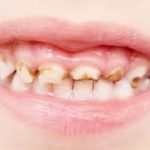
- little holes
With diabetes, problems in the mouth are extra annoying, as it makes it harder for blood sugar levels to stay right.
- Healthy gums are pink, tight around the teeth and do not bleed when you brush your teeth.
- Red, swollen or bleeding gums usually indicate inflamed gums. Dental plaque on the transition from your gums to your tooth and plaque trapped between your teeth cause inflamed gums. This stage is called gingivitis.
- Between the tooth and the gums is a small space (pocket). Inflamed gums become detached from the teeth. As a result, that space deepens. The inflammation in the gumline can spread towards the jawbone. The inflammation causes the fibres to break down and the jawbone breaks down. This is called periodontitis.
A person with diabetes is more prone to inflammation and infection. So the gums and jawbone also inflame more quickly. This happens especially when blood sugar levels are often too high. So with poorly ‘adjusted’ diabetes, where there is a failure to keep blood sugar levels right.
Do you often have too much blood sugar? Then your body wants to get rid of that sugar by urinating a lot. You therefore often have a drier mouth. Saliva naturally protects your teeth. If you have less saliva, cavities and gum disease are more likely to occur.
Also, many people with diabetes have poorer blood flow to the body. This happens especially if a person has frequent high blood sugar levels for years. The blood vessels then become damaged. This is one of the reasons why, for example, wounds but also inflammations heal worse. And inflammations in the body in turn cause higher blood sugar. The gums are full of tiny blood vessels. If these are damaged, you are more likely to get gingivitis and periodontitis.
Tip: Do you have diabetes? Make sure you have healthy blood sugar levels; this will prevent many problems. Ask your GP or diabetes nurse what you can do to improve your blood sugar levels.
What is diabetes?

Diabetes is another word for diabetes. It has to do with blood sugar: the body's fuel. In diabetes, the body can no longer extract sugar from the blood. Too much blood sugar is unhealthy and after a while damages the eyes, kidneys, mouth and blood vessels, among other things. Blood pressure and cholesterol are also often too high. Therefore, drugs are needed to lower the amount of sugar in the blood (also called blood sugar or blood sugar level). Diabetes is a chronic disease and cannot yet be cured. There are different types of diabetes.
Want to know more about diabetes? Click here
Questions and answers on diabetes and oral health


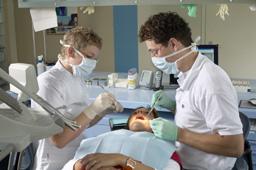

How do you prevent oral problems?
Those with diabetes can prevent dental and gum problems in many cases. This helps:
- Good blood sugar levels.
- Good oral hygiene is incredibly important. Ask your dentist or dental hygienist for advice.
- Brush your teeth twice a day for two minutes with fluoride toothpaste.
- Use a soft toothbrush.
- In addition, clean the spaces between your teeth with interdental brushes, dental floss or toothpicks.
- Limit the number of eating and drinking occasions to seven a day.
- Stop smoking.
- Visit your dentist or dental hygienist twice a year and tell them you have diabetes.
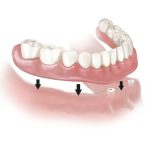
Do you wear dentures? Then the same advice applies. Keep your teeth and mouth clean. Diabetics with dentures often get infections under the dentures. You should therefore visit your dentist or dental hygienist twice a year.
How do you get good blood sugar levels?
Your GP or nurse will check your blood sugar at least four times a year. Consult with your practitioner or ask at the pharmacy whether you can also measure your blood sugar yourself at home with a glucose meter. How often you should measure your blood glucose levels depends on your diabetes treatment. And also on how well adjusted your diabetes is. So it varies from person to person. Discuss this with your GP, diabetes nurse, nurse practitioner or internist. A healthy blood sugar level is between 4.5 and 8.0 mmol/l (fasting).
When do I go to the dentist or dental hygienist?
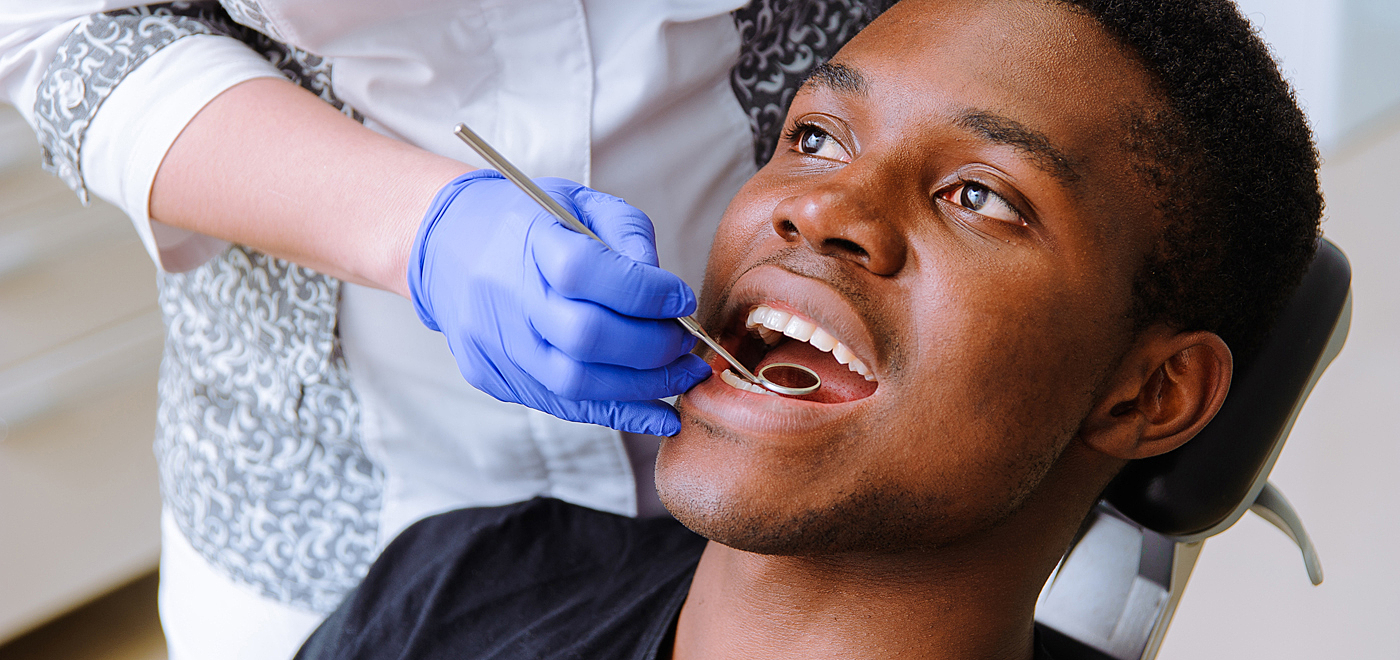
Do you have diabetes? If so, visit your dentist or dental hygienist at least twice a year. Go even if you have no complaints. Many oral disorders you may not notice yourself yet, but your practitioner will spot them.
Common oral problems in diabetic patients are:
- Red or swollen gums.
- Bleeding gums, spontaneously, when eating or brushing teeth.
- Pain in the mouth.
- Holes.
- Sensitive or painful teeth when eating or drinking something hot or cold.
- Loose teeth.
- Wounds, stains or sores in the mouth.
- A dry mouth.
- Changed tastes.
- Bad breath or a foul taste in the mouth.
- Ill-fitting dentures.
Can I undergo dental treatment if I have diabetes?
If your blood sugar levels are not good, you can undergo treatment to your teeth or gums without any problem. Just be sure to tell your practitioner that you have diabetes. If you have oral pain, you may start eating less or consuming more liquid food. This may affect your blood sugar levels. Do you eat or drink differently than usual? If so, consult your doctor or nurse and have your blood sugar checked extra.
I have diabetes and have undergone treatment to my teeth or gums. What should I pay attention to?
After treatment to your teeth or gums, you may be advised not to eat or drink for a while. This can cause your blood sugar to get too low, so you may experience a ‘hypo’. If you have a hypo, you may experience such things as trembling, sweating or dizziness. So always tell your practitioner that you have diabetes. Make an appointment at a time that is convenient for you. Choose a time that allows you to eat or drink enough before the treatment.
Does smoking affect a diabetic's oral health?
Do you have diabetes, do not take good care of your teeth ánd do you smoke? Your jawbone will break down faster than normal. Because smokers have poorer circulation in the gums. This causes the gums to bleed little or not at all, even though they are inflamed. Smokers suffer more from gum inflammation (gingivitis) and gum disease with bone breakdown (periodontitis). Moreover, smoking makes you more likely to suffer from high blood sugar levels.
Do you want to stop smoking? Congratulations! You are more likely to succeed if you use an aid to do so. Find out more at www.rokeninfo.nl or call 0900 - 1995 (€0.10 per min).
Where can I find more information about diabetes?
For more information on diabetes, please visit the diabetes fund website. Of course, you can also contact your GP, diabetes nurse, practice nurse or internist. Do you still have questions about your oral health? Then look further on this site or contact your dentist or dental hygienist.
Want to know more?
Then download the free app GezondeMond. The app is available for Android and tablets, available via Google Play. The app for iPhone and iPad can be found in the iTunes App Store..