Brushing teeth with children

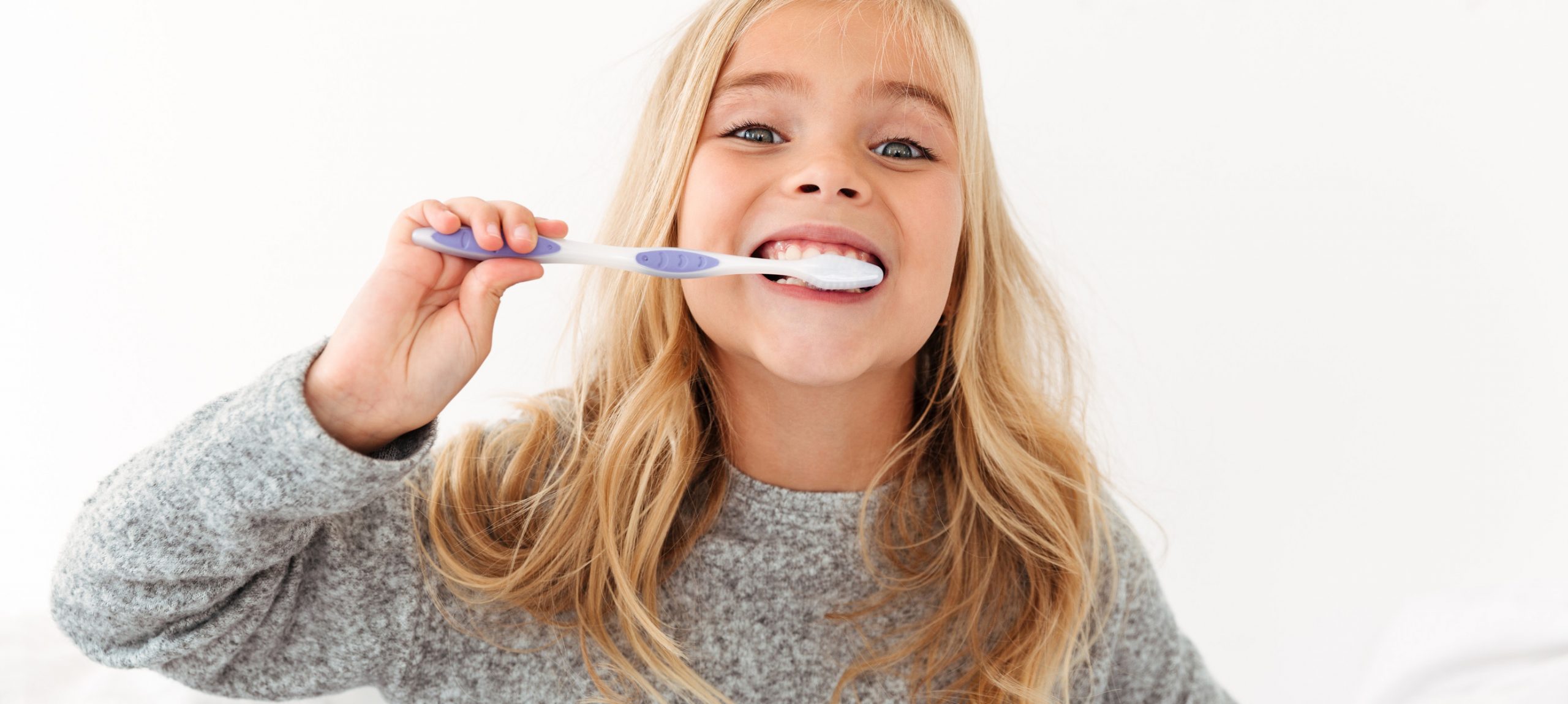
Usually, children want to brush their own teeth at a very young age. That is fine. Encourage that above all. But they do not yet brush everywhere equally well. That is why help is needed! Brushing your teeth properly doesn't happen by itself, a child has to learn it. The information applies to children up to 12 years old.

Brushing teeth

To keep your mouth healthy, you need to remove plaque. This white-yellow layer is difficult to see and forms on and between your teeth and on the transition to the gums. Plaque is made up of bacteria and products of bacteria. Almost all of our food and drink contains sugars and starch. Sugars are added to many foods (e.g. soft drinks), but there are also naturally occurring sugars in products (e.g. fruit).

Sealing

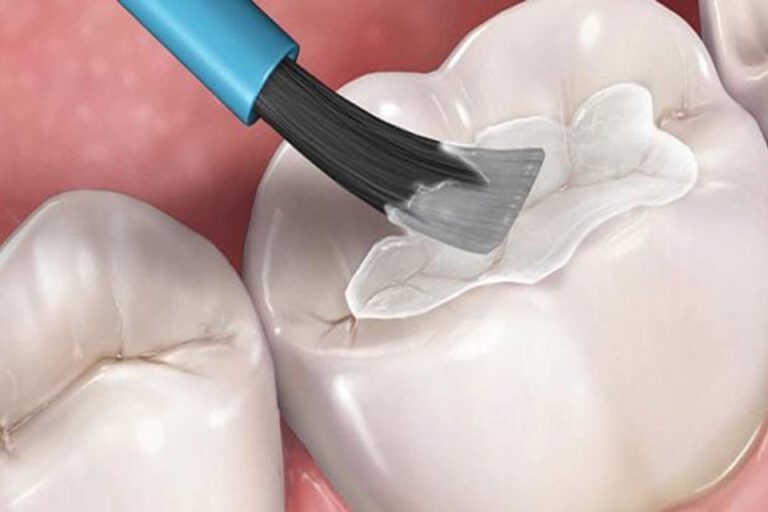
The word ‘seal’ is derived from the English verb ‘to seal’. It means to seal or to seal. Dental sealing therefore means sealing or sealing grooves and pits in teeth. The dentist or dental hygienist applies a layer of plastic varnish or synthetic resin cement. This can be transparent or yellowish-white.

Wear and tear of the teeth

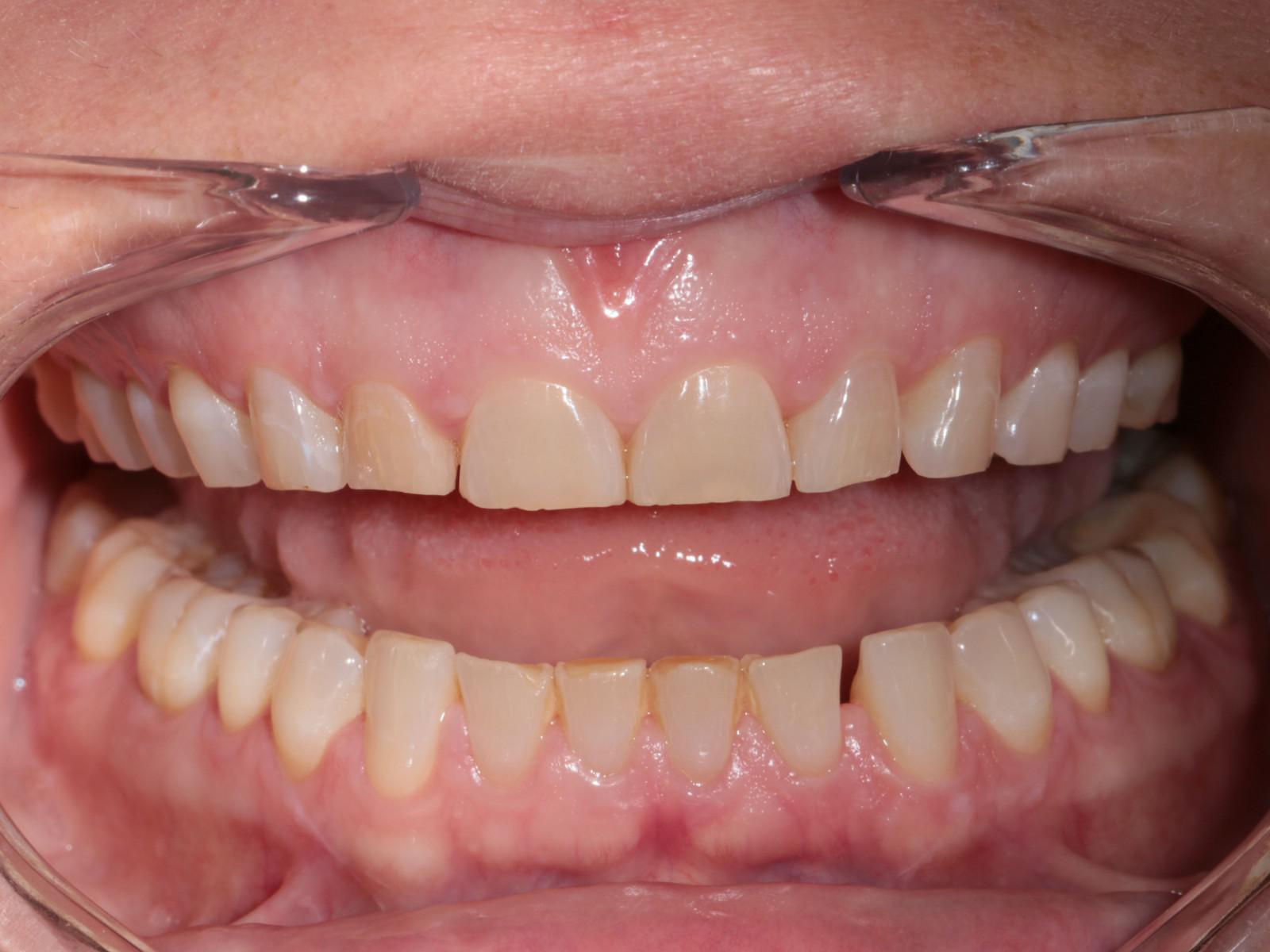
Tooth enamel is hard and wears down slowly. Nevertheless, your teeth wear down over the years. For example, by using a toothbrush incorrectly or grinding your teeth. This is called mechanical wear and tear. Chemical wear comes from acids in food. This phenomenon is called tooth erosion. If teeth are constantly exposed to mechanical and/or chemical influences, the risk of wear increases. Your dentist can see if this is the case for you.

Bad breath

Fresh breath. Everyone wants that. But is your breath fresh too? Most people with bad breath, also known as halitosis, don't notice it themselves. They don't smell it themselves. But those around them do notice it. Some people with bad breath are so bothered by it that they
are hindered by it in their social and intimate contacts. There is a simple and reliable way to find out if you suffer from bad breath. Ask your partner, another trusted person, your dentist or dental hygienist.

Smoking and oral health

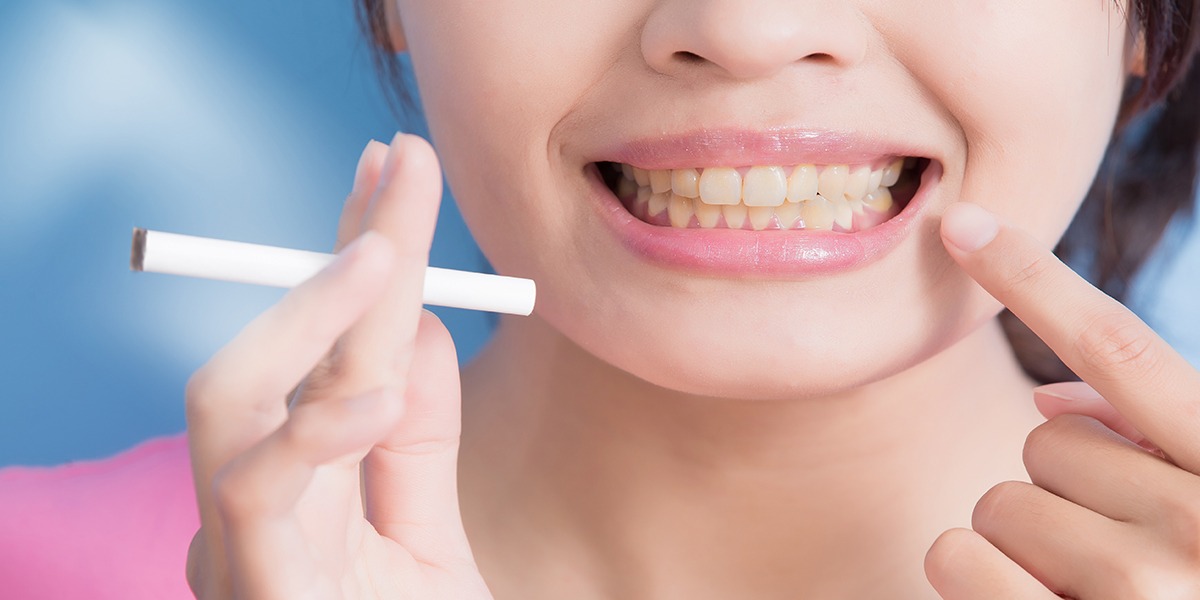
Did you know that quitting smoking can contribute to a healthy mouth? Of course, you know that smoking can give you lung cancer and cardiovascular disease. Less well known is the impact of smoking on oral health. Among other things, smokers are more likely to develop gingivitis than non-smokers. As early as two to six weeks after quitting smoking, the positive effect is visible in your mouth.

Brushes

Good oral hygiene keeps your teeth, molars and gums healthy. Brushing twice a day for two minutes with fluoride toothpaste is the basis for this. With a toothbrush alone, you cannot always properly clean the spaces between your teeth. For this, you can use various aids. For example, you can use interdental brushes or spiral brushes.

Brushing poster: Brushing your teeth is how you do it!

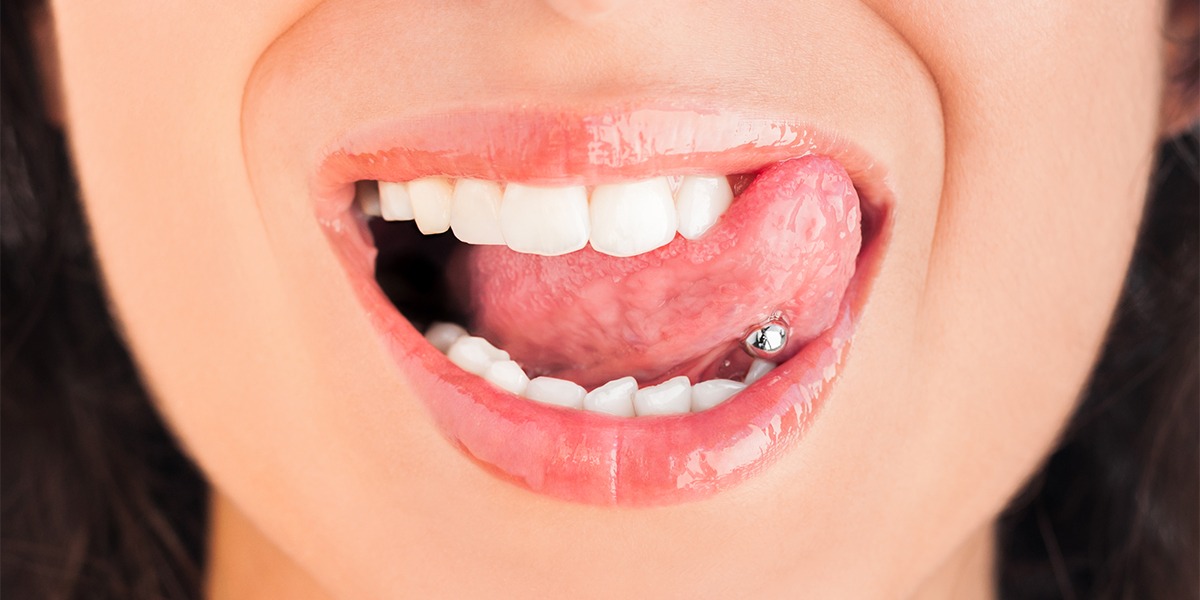
Body decoration is of all times and occurs in all kinds of societies. People used to decorate their bodies to distinguish themselves or show that they belonged to a particular group. For instance, Egyptian pharaohs pierced their navels, Roman soldiers pierced their nipples and Mayans pierced their tongues to prove their courage and masculinity.

Inflamed gums

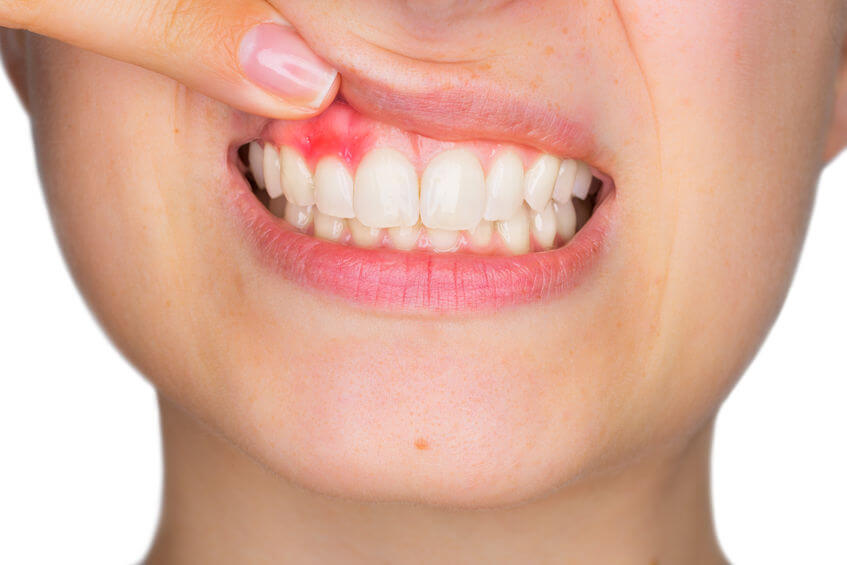
With good oral hygiene, you keep your teeth, molars and gums healthy. You will prevent inflamed gums (gingivitis and periodontitis) and promote their healing. But how do you know if your gums are healthy? And can you recognise inflamed gums?

🆘 Rush? Call 0900-8602