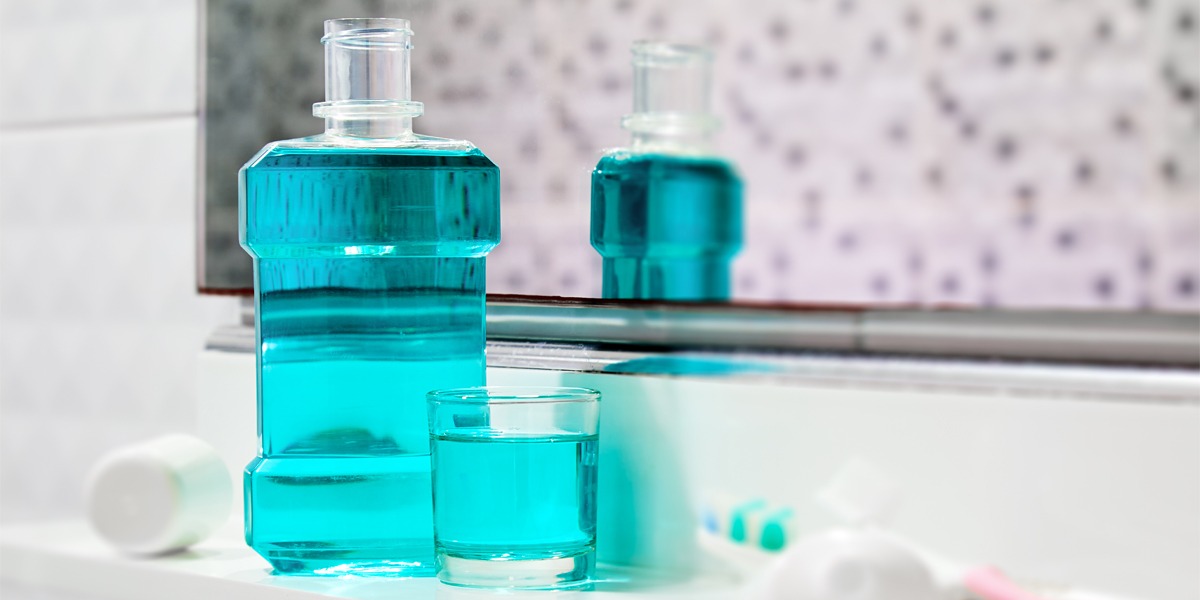
Mouthwash
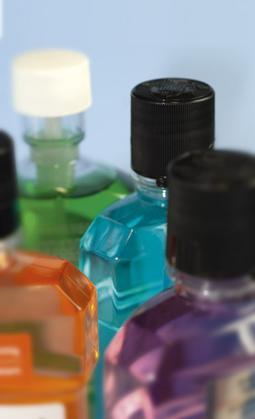 Which mouthwash? Ask your dentist!
Your dentist or dental hygienist has advised you to start using a mouthwash. For example, you have some incipient cavities (caries). Brushing your teeth does not work so well. Or you may have bleeding gums or have just had gum treatment. Of course, you can also consider using a mouthwash yourself. Many varieties are available at pharmacies, chemists and supermarkets. Different rinses have different effects. The dentist or dental hygienist will advise you which one is best to use.
Flushing, for whom and why?
 Also when using mouthwashes brush teeth twice a day
Our daily oral hygiene consists of brushing your teeth twice a day for two minutes with a fluoride toothpaste. In addition, your dentist or dental hygienist may recommend cleaning the spaces between your teeth and/or rinsing your mouth with a mouthwash. If, for example, you wear braces or have too little saliva in your mouth, you run an increased risk of developing cavities (caries). Then brushing twice a day with fluoride toothpaste is insufficient. Your practitioner may then recommend using a mouthwash with fluoride. After extensive gum treatment, your practitioner may temporarily recommend a rinse with chlorhexidine. Those who want to help maintain oral health and gum health or appreciate a fresh taste in their mouth can additionally rinse their mouth with mouthwash after brushing their teeth. Those who use mouthwash simply continue to brush their teeth twice a day in addition.
Oral rinses against cavities
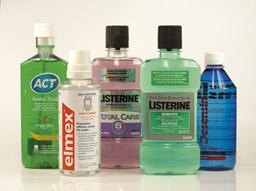 Choose a mouthwash against cavities
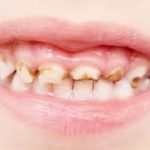
Mouthwashes with fluoride strengthen tooth enamel. Dentists and dental hygienists recommend them mainly to patients with an increased risk of cavities. Those who may (temporarily) need extra fluoride include children or adults with fixed braces, patients with enamel defects or incipient cavities. A fluoride rinse is also recommended for patients with sensitive teeth (when gums have receded) and to prevent cavities in the tooth root (root caries). The rinse aid is available at pharmacies, drugstores or supermarkets. Those who need to use a fluoride rinse temporarily will hear from their practitioner when they check whether they need to continue or can stop using it. Some examples are Listerine Strong Teeth, Listerine Total Care, Elmex anti-caries mouthwash, ACT, Desensin. Chemists and supermarkets also sell products under their own brand names.
Mouthwash against inflammation and infection
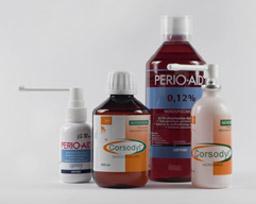 These drugs work against inflammation and infection
Oral rinses with chlorhexidine prevent plaque formation. You can generally use these rinses for a short time (usually 1 to 2 weeks). Using them can cause discolouration of your teeth and tongue, a bad taste and a burning sensation of the mucous membranes. Chlorhexidine rinses may be prescribed by your practitioner after gum treatment or acute gingivitis. In addition, a hydrogen peroxide rinse may be advised to combat discolouration of the teeth and tongue. Chlorhexidine is also used to prevent oral infections after surgeries in the mouth. Patients who cannot spit or rinse, or patients who only need to apply the rinse to a single spot, are best advised to use a chlorhexidine spray or gel. If you are considering using a chlorhexidine rinse without a prescription, consult with your dentist or dental hygienist. Some examples are PerioAid and Corsodyl.
Mouthwash against plaque
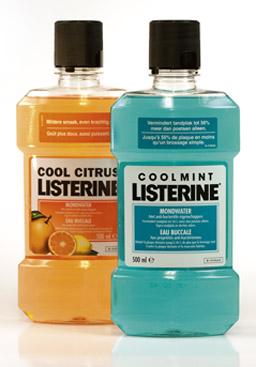 Reduces plaque and improves gum condition
Oral rinses with antibacterial properties can contribute to good oral hygiene.This type of rinse can help reduce plaque development and improve the condition of gums. These mouthwashes are also commonly used for getting fresh breath. Those who think you can use mouthwashes and then not have to brush anymore are wrong. These mouthwashes are also used to supplement daily oral care. Rinsing is not a substitute for brushing your teeth! Some examples are Meridol, Listerine Coolmint and Cool Citrus.
Mouthwash against bad breath
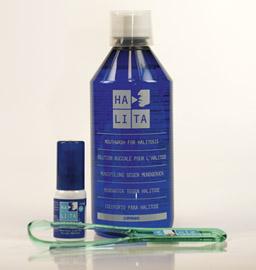 Gargle, mouth spray and tongue cleaner for removing bacteria from the back of the tongue
Often, bad breath is caused by bacteria on the back of the tongue. They produce sulphur compounds, which smell unpleasant. You can scrape away these bacteria twice a day with a tongue cleaner. Does that not work enough? If so, you can additionally kill the bacteria that cause bad breath with a gargle and/or mouth spray. Examples include Halita and Meridol Halitoses.
Mouthwash against Acid Wear
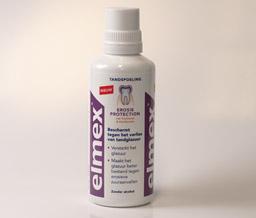 Prevent tooth erosion. Do not eat or drink more than seven times a day
Acid erosion is the dissolution of tooth enamel due to the action of acids from food and drinks or from the stomach. To prevent Acid Wear, it is important not to eat or drink more than seven times a day and brush teeth twice with a fluoride toothpaste. In addition, dentists and dental hygienists recommend not consuming acidic products one hour before brushing your teeth. You can also rinse your mouth with a mouthwash to protect your teeth from Acid Wear. An example is Elmex Erosion Protection.
Mouthwash against dry mouth
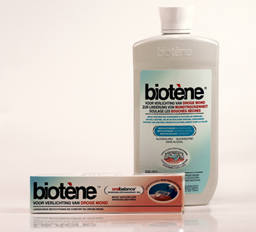 Saliva substitutes
Dry mouth is caused by a lack of saliva.For example, the salivary glands do not release enough saliva or stop working altogether. Many medications have dry mouth as a side effect. Diseases and radiotherapy can also cause dry mouth. If your salivary glands no longer work, it is not possible to stimulate saliva production. If they still work a little, it is often insufficient. You may be able to use so-called saliva substitutes. These are special moistening liquids or gels that can give a pleasant mouthfeel. Good examples are Biotène mouthwash and Biotène OralBalance.
Other mouthwashes
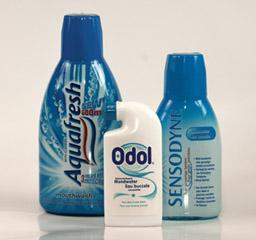 Fresh breath ...
There are lots of different types of rinses available. One works against sensitive teeth and yet another gives fresh breath. Many products offer excellent results, but their effectiveness has never been scientifically proven. Of course, you can check for yourself whether the product works for you, whether you benefit from it or whether you appreciate the taste. Examples include Aquafresh, Sensodyne, Odol and various drugstore house brands, etc.
When should I flush and how often?
When to rinse depends very much on the product you are using. Refer to the instructions on the packaging or leaflet. They will also tell you how much mouthwash to use, how long to use it for and how often to rinse. Does your dentist or dental hygienist advise you to use a rinse? Then follow that advice.
Fables and facts about rinse aids
Should everyone flush?
No, not everyone needs a mouthwash. You take good care of your teeth by brushing your teeth twice a day with a fluoride toothpaste.On the advice of your practitioner, you can also clean the spaces between your teeth daily with interdental brushes, toothpicks, floss thread or mouthwash. In addition, your dentist or dental hygienist will indicate whether rinsing is necessary or advisable for you.
Can I improve my oral health by using mouthwash? And if so how?
As an extra addition to your daily oral hygiene, you can use a mouthwash to help reduce plaque development and improve the condition of gums.
Of course, you can also use a rinse because you like it. Your dentist or dental hygienist can advise you. Follow the manufacturer's instructions on the packaging.
Can I prevent cavities by using a mouthwash?
You can prevent cavities by brushing your teeth twice a day with a fluoride toothpaste.With the toothbrush, you remove plaque from your teeth. With the toothpaste, you apply fluoride to your teeth. Fluoride makes tooth enamel harder and less susceptible to getting cavities. If you do get cavities despite this, it may be advisable to rinse with a fluoride mouthwash. Rinsing the mouth complements twice-daily tooth brushing, but does not replace it.
I use a rinse aid. Can I skip brushing my teeth now?
No. Using a mouthwash is always in addition to the two daily brushing sessions. Do you need to rinse with water after eating? You can. By rinsing with water after eating, you rinse away the food particles in your mouth. Of course, by rinsing with water, you do not apply any substances to protect your teeth.
Can I use a rinse aid for a fresh taste?
Yes, using rinses will give you a fresh taste in your mouth. But a fresh taste does not mean you have fresh breath. Freshening your mouth can only partially cover up bad breath (halitosis) and usually only for a few minutes.
Should I only spit out a rinse or should I also rinse my mouth with water afterwards?
To use rinses properly, read the package insert or follow the advice of your dentist or dental hygienist. In general, it is not advisable to rinse with water.
Can I use a mouthwash with alcohol?
Adults can use a mouthwash containing alcohol. The addition of alcohol to mouthwash is a concern for some over a purported relationship with the occurrence of cancer in the mouth. Studies have found no relationships between the use of mouthwashes containing alcohol and the development of oral cancer. It is up to the user to decide whether or not to use an alcohol-containing mouthwash. Consult with your practitioner if required.
Want to be sure whether a mouthwash makes sense for you? If so, consult your dentist or dental hygienist before starting the remedy.
Want to know more?
Then download the free GezondeMond app. The app is available for Android and tablets, available via Google Play. The app for iPhone and iPad can be found in the iTunes App Store..


<< Back© Ivory Cross
What are ulcers?
Some people are regularly plagued by painful mouth sores. These sores, called aphthous ulcers, occur in both adolescents and adults. The cause is not entirely clear, but they do not cause permanent health damage.
Aphthous ulcers are blisters or sores in the mouth three to four millimetres in diameter. They are greyish-white or thick yellow spots with an inflamed red border. Aphthous ulcers appear on the inside of the lips, cheeks or under the tongue. They deliver a stabbing pain while eating acidic or hot food. Some people feel an abscess coming on beforehand. They recognise the painful feeling that comes with it. Sometimes the oral mucosa also looks red.
How do aphthous ulcers occur?
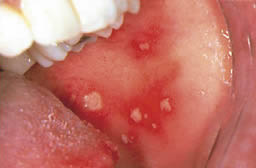
Unfortunately, the cause of aphthous ulcers is unclear. They often rear their head when there is reduced physical resistance, poor oral hygiene, hypersensitivity to certain foods or stress. They can result from biting the tongue or the inside of the cheek, but also from eating hot food. Sometimes ulcers are the result of a sharp edge on a tooth or ill-fitting dentures. Aphthous ulcers do not result from a vitamin deficiency. That is a misconception.
How long does it take for an afte to disappear?
The bigger the ulcer is, the longer it will take to heal. After two weeks, the afte should be gone.
What can you do yourself against ulcers?
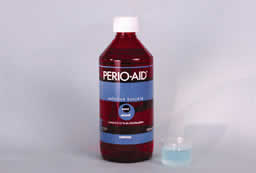 MouthwashStay away from mouth ulcers. Breaking the vesicles worsens the symptoms. If you brush carefully and eat slowly, you will prevent the ulcers from spreading. Some toothpastes and mouthwashes are claimed to be effective against ulcers, but there is no scientific evidence for this.
When should you consult your dentist for ulcers?
Consult your dentist if the ulcers have not disappeared after two weeks. Also seek advice if you suffer from them frequently. Inform your dentist if you feel that your ulcers are caused by sharp edges on your teeth or ill-fitting dentures.
Are there medicines for ulcers?
There is no drug with a guaranteed effect. To relieve some of the pain, the dentist may prescribe a remedy. Some people benefit from antiseptic mouthwashes containing chlorhexidine. This is a disinfectant that reduces the number of bacteria in the mouth. For this reason, the rinses can have a beneficial effect on ulcers. However, these remedies do not speed up healing. Moreover, their use can be painful.
Are ulcers dangerous to health?
Aphthous ulcers are sometimes extremely painful but not threatening to health. Only a combination of ulcers and high fever can lead to an infectious disease. In that case, consult your dentist.